



Your immune system works constantly to distinguish helpful substances from harmful ones, coordinating responses that protect you without overreacting to everything you encounter. When this balance falters, you might find yourself catching every passing cold, struggling with chronic inflammation, or dealing with immune-related conditions that affect your quality of life.
The foods you eat influence these immune processes more directly than many people realize. Among the most promising immune allies are fermented foods. While you might have heard general claims about fermented foods supporting gut health, the question of how exactly these traditional preparations affect your immune function has remained largely unexplained.
That gap in understanding prompted researchers at the World Institute of Kimchi in Korea to examine kimchi more closely. As a traditional fermented vegetable dish with a rich microbial profile, kimchi offers a unique opportunity to study how food-based compounds interact with immune cells. Their findings shed light on why these age-old fermented dishes continue to hold such a vital place in health-supporting diets.1
What Is Kimchi and How Is It Linked to Immune Health?
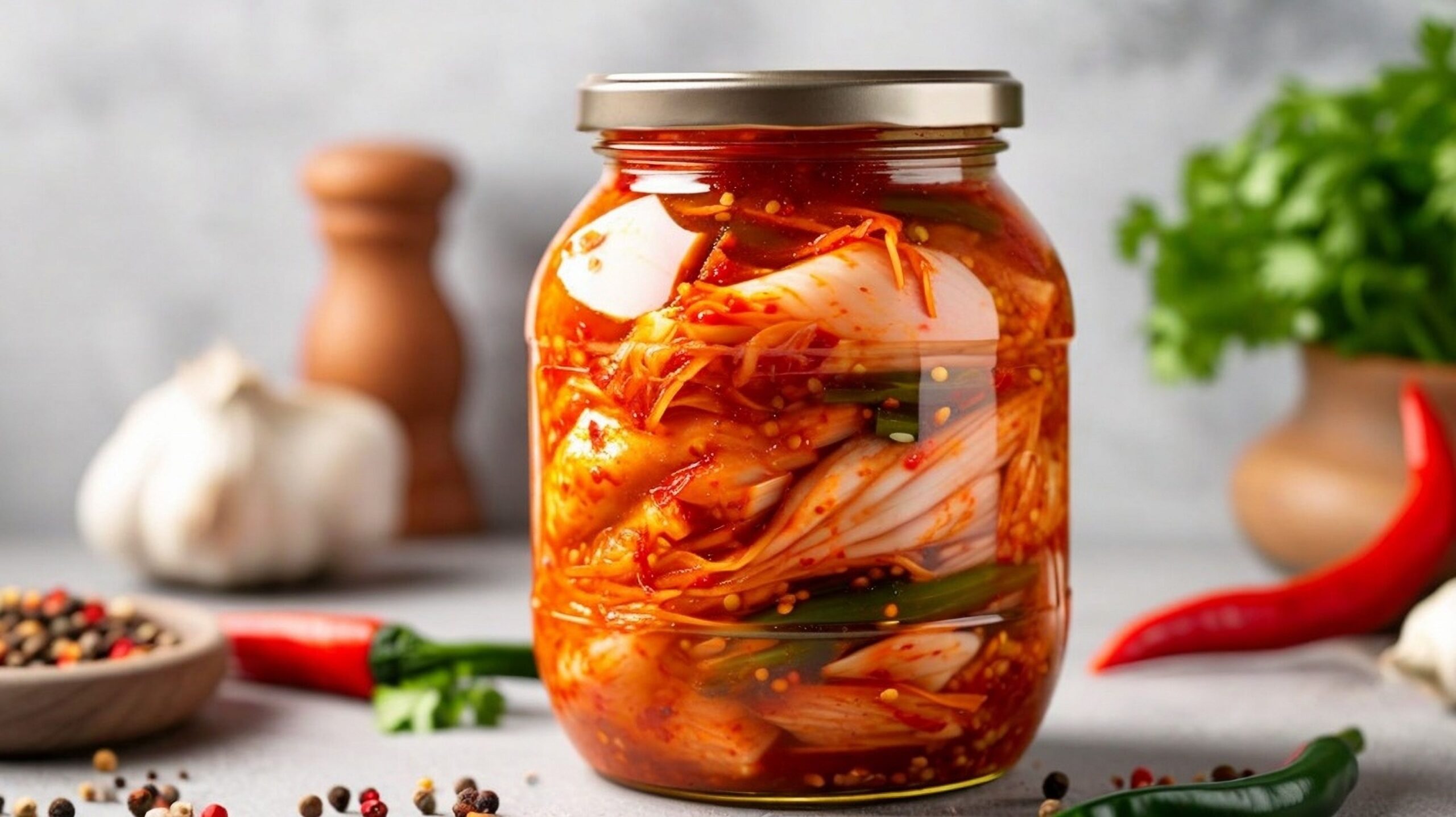
Kimchi is a traditional Korean dish made by fermenting vegetables, most often Napa cabbage. The cabbage is first salted to draw out moisture, then combined with a richly flavored paste made from garlic, ginger, red pepper flakes, scallions, radish, and fermented seafood, such as anchovy or shrimp sauce. Once mixed, the vegetables are packed tightly into jars and left to ferment at cool temperatures for several days to several weeks or even years, depending on the desired flavor and acidity.2
• Fermentation creates a thriving community of beneficial microbes — Naturally present bacteria, especially lactic acid bacteria like Leuconostoc, Lactobacillus, and Weissella, multiply rapidly during fermentation. They break down vegetable sugars and produce lactic acid, which preserves the food and gives kimchi its signature tang. As fermentation continues, the microbial community becomes more diverse, transforming the mixture into a dynamic living food. This evolution influences both flavor and composition over time, giving each batch its own microbial fingerprint.
• A complex blend of aromatics, heat, and savory depth defines its character — Kimchi stands apart from milder ferments like yogurt or sauerkraut because of its bold ingredient base. Garlic, ginger, chili peppers, and seafood-based sauces create a layered profile that is pungent, spicy, and savory. These ingredients supply bioactive compounds, including organosulfur molecules from garlic and ginger, polyphenols from chili, and amino acids from fermented fish. Fermentation then alters these compounds further, producing metabolites that interact with the gut and immune system. These components work together in ways that single-strain probiotic supplements do not match.
• Vegetable fibers feed beneficial bacteria and enhance their functional value — Napa cabbage and other vegetables used in kimchi offer natural fibers that act as prebiotics. These fibers provide fuel for beneficial microbes already living in your gut. When paired with the live bacteria generated during fermentation, kimchi delivers both probiotics and the substrates those microbes rely on. This combination supports microbial diversity, a key element of gut and immune health.
For centuries, kimchi has been a daily staple in Korea, valued for its flavor and its contribution to well-being, an observation that modern research is now beginning to explore more deeply.
The Science Behind Kimchi and Immune Regulation
The study conducted by the World Institute of Kimchi, published in npj Science of Food, examined how kimchi influences the human immune system by using single-cell RNA sequencing. This method allows scientists to measure the gene activity of individual immune cells with high precision. Instead of averaging results across many cells, this approach captures how each cell behaves on its own, revealing subtle immune shifts that would otherwise be missed. 3
• A controlled 12-week trial mapped cell-by-cell immune changes after kimchi consumption — Thirteen overweight but otherwise healthy adults were randomly assigned to placebo, naturally fermented kimchi powder, or starter-fermented kimchi powder for 12 weeks. After the intervention period, blood samples were taken to isolate a group of white blood cells called peripheral blood mononuclear cells (PBMCs). This category includes key immune players such as monocytes, dendritic cells, T cells, B cells, and natural killer (NK) cells. Researchers then analyzed these cells one by one to map any changes in their function or gene expression after consuming kimchi.
• One of the most striking findings came from the antigen-presenting cells (APCs), especially monocytes and dendritic cells — These cells are responsible for identifying foreign substances like viruses or bacteria and displaying fragments of them to other immune cells, particularly CD4+ T cells. This presentation is done through proteins known as MHC class II molecules. In the kimchi groups, monocytes and dendritic cells showed increased activity of a gene called CIITA, which acts as a master switch for producing MHC class II molecules. This suggests that kimchi enhanced the immune system’s ability to recognize and flag potential threats.
• The mechanism responsible for this effect was traced to the JAK/STAT1 — CIITA signaling pathway — In this system, a chemical signal called interferon-gamma (IFN-γ) activates a molecule inside the cell called STAT1, which then increases the activity of CIITA, leading to more MHC class II proteins. This process makes antigen-presenting cells more effective at alerting the immune system when something needs to be addressed. The study confirmed that this pathway was more active in the kimchi-consuming groups, particularly among those who consumed starter-fermented kimchi.
• Laboratory tests confirmed stronger antigen uptake and display in kimchi-treated cells — In cultured human immune cells exposed to kimchi extracts, dendritic cells absorbed more antigen and displayed higher levels of MHC class II proteins on their surface. These in vitro results reinforced what the single-cell sequencing showed in participants. Together, the findings demonstrated that kimchi improved both the genetic and functional aspects of antigen presentation.
• CD4+ T cells matured more efficiently into effector and regulatory subtypes — CD4+ T cells play a central role in coordinating immune responses. In kimchi groups, these cells differentiated more rapidly into both effector T cells that help f ight infections and regulatory T cells that prevent the immune system from overreacting and attacking healthy tissue. This dual action indicates that kimchi helps fine-tune the immune response by promoting defense while also maintaining balance.
• Other major immune cell types remained stable, showing selective rather than broad stimulation — Importantly, the study found no major shifts in other immune cell types such as CD8+ T cells (which directly kill infected or cancerous cells), B cells (which produce antibodies), or natural killer (NK) cells (which target virus infected or abnormal cells). Their overall numbers and gene activity remained stable, suggesting that the immune system wasn’t being overstimulated or thrown off balance. Instead, the changes were specific and targeted to particular parts of the immune system.
• Both fermentation methods enhanced immunity, with subtle differences in context — The starter-fermented version showed stronger IFN-γ — responsive gene activation in lab-based assays, while the spontaneously fermented version produced slightly greater effects on specific immune cell subsets in vivo, possibly due to the more diverse range of bioactive compounds formed during natural fermentation.
• Kimchi’s unique dual impact on immune balance — Altogether, the study provides detailed molecular evidence that kimchi supports a more responsive and balanced immune system. According to Dr. Woo Jae Lee of the World Institute of Kimchi, who led the research team:
“Our research has proven for the first time in the world that kimchi has two different simultaneous effects: activating defense cells and suppressing excessive response. We plan to expand international research on kimchi and lactic acid bacteria in relation to immune and metabolic health in the future.” 4
What Are the Other Health Benefits of Kimchi?
The immune-modulating benefits of kimchi occur alongside several other physiologically meaningful changes that researchers have documented in controlled human trials and laboratory studies, including:
• Reduces body fat and improves metabolic markers — In a 12-week clinical trial, participants who consumed kimchi powder saw significant reductions in body fat mass compared to placebo, while the placebo group actually gained weight and body fat. Those in the kimchi group also showed reduced LDL cholesterol and triglycerides, and an increase in HDL cholesterol, showing that kimchi not only supports fat loss but also improves obesity-related metabolic risk factors.5
• Promotes a healthier gut microbiome — Regular kimchi intake increased the presence of Akkermansia muciniphila, a bacterium known for supporting a healthy microbial environment and lowering obesity risk. Kimchi also reduced levels of Proteobacteria, which is linked to metabolic dysfunction. 6
• Stimulates mucin production to protect the gut barrier — One of Akkermansia’s key functions is stimulating mucin production. Mucin forms a protective gel-like layer on your intestinal lining that shields it from mechanical damage, acidic irritation, and microbial invasion. Kimchi’s ability to increase Akkermansia enhances this defense layer, which also plays a role in immune regulation and gut integrity.7
• Improves digestion and supports gut-brain signaling — The combination of live probiotics and prebiotic fiber in kimchi nourishes your gut microbiome. As these bacteria digest fiber, they release short-chain fatty acids (SCFAs) like butyrate, propionate, and acetate. These compounds fuel your colon cells, regulate immune responses, reduce gut inflammation, and are directly involved in signaling through the gut-brain axis.8
• Supports mental health and emotional resilience — Research shows that fermented foods like kimchi help reduce symptoms of depression and insomnia. These effects are tied to gut-derived changes in neurotransmitter regulation, including GABA and brain-derived neurotrophic factors (BDNF). Probiotics in kimchi modulate these signaling molecules, which are essential for mood, cognitive performance, and stress recovery.9
• Delivers key nutrients that support whole-body health — Kimchi provides vitamins A and C, calcium, magnesium, potassium, 34 amino acids, and carotenoids like lutein and beta-carotene. These nutrients support immune function, cardiovascular health, electrolyte balance, and skin and eye protection. Fermentation also increases the bioavailability of these compounds, making them easier for your body to absorb and use.10
• Contributes to anticancer and antiatherosclerotic defense — The phytochemicals found in kimchi, including isothiocyanates, organosulfur compounds, and antioxidants, have been linked to cellular protection mechanisms, including detoxification pathways, inhibition of abnormal cell growth, and improved vascular health.11
Learn more about kimchi’s benefits in “Kimchi — Your Flavorful Ally in Maintaining Healthy Weight.”
How to Choose Kimchi and Enjoy It in Your Meals
Kimchi’s growing availability means you have more options than ever, but not all products deliver the same benefits. Some are rich in live cultures and naturally preserved, while others are processed in ways that diminish their value. To get the most out of kimchi, both in terms of nutrition and flavor, it helps to know what to look for and how to work it into your daily meals.
• Choose unpasteurized kimchi — Live, unpasteurized kimchi needs to be kept cold. If a product is shelf-stable, it has likely been pasteurized, which kills off the beneficial bacteria central to fermentation. Look for kimchi kept in the refrigerated section, preferably with labels specifying it’s raw, unpasteurized, or contains live cultures.
• Read ingredient lists carefully and avoid unnecessary additives — A clean kimchi recipe uses recognizable whole ingredients. Many commercial brands add sugar, artificial preservatives, or flavor enhancers, which interfere with the natural microbial activity that gives kimchi its health-promoting characteristics. Traditional fermentation already provides the flavor, complexity, and preservation needed, without relying on added sweeteners or chemicals.
• Start with small servings and increase gradually as your gut adapts — If you’re new to fermented foods, it’s a good idea to start with small amounts of kimchi and see how your body reacts. A good starting point is to have as little as 1 teaspoon of kimchi as a side dish with your meals, and then gradually increase the amount as you get used to the taste and texture. Consistent, modest intake is more effective than occasionally eating large amounts, since fermentation benefits accumulate with regular exposure to beneficial bacteria and fiber.
• Use kimchi as a versatile flavor booster across meals — Kimchi’s tangy, spicy character complements a wide range of dishes. As a simple side, it pairs well with meats, fish, eggs, and roasted vegetables, cutting through richness and adding complexity. For everyday meals, add kimchi to rice, mix it into scrambled eggs, spoon it over baked sweet potatoes, or serve it with wraps for a refreshing contrast. Even small additions transform simple meals into nutrient-dense, flavorful plates.
• There’s no need to limit yourself to one kind — With hundreds of regional and seasonal variations, kimchi can range from bold and spicy to milder, fresher-tasting versions. Baechu kimchi, made from napa cabbage, is the most common, butradish-based versions like kkakdugi offer a crisp texture and distinct flavor. Exploring different types can help you find what suits your preferences best while diversifying the bacterial strains you’re exposed to.12
• Consider making your own fermented vegetables — While kimchi is a popular entry point into fermented foods, the techniques used to make it extend easily to almost any vegetable. Home fermentation is simple, cost-effective, and allows you to control every ingredient. A few essentials are all you need, such as organic vegetables, filtered water, and wide-mouth jars. The process involves packing vegetables tightly, submerging them in brine or a starter culture mix, and allowing them to ferment for several days. To give you an idea where to begin, I encourage you to watch the step-by-step guide above.
Whether you start with a traditional kimchi recipe or experiment with other vegetables, this practice is an easy and delicious way to support your gut, immune health, and overall well-being. Once fermented foods become a regular part of your meals, they tend to stay there, not just for their benefits, but because they earn their place on the plate. For more guidance on how to work them into your daily routine, read “How to Enjoy Fermented Foods Better.”
Frequently Asked Questions (FAQs) About Kimchi
Q: Is kimchi good for the immune system?
A: Yes. The 2025 npj Science of Food study found that eating kimchi helped modulate immune responses by improving the ability of key immune cells to identify and respond to foreign substances, while avoiding overstimulation of the immune system as a whole.
Q: What nutrients in kimchi contribute to immune system benefits?
A: Kimchi delivers vitamins A and C plus minerals like calcium, magnesium, and potassium, along with carotenoids such as lutein and beta‑carotene. Fermentation also increases the bioavailability of these nutrients. Beyond nutrients, kimchi provides lactic acid bacteria and fermentation‑derived metabolites that interact with immune cells through the gut.
Q: How much kimchi do I need to eat per day for health benefits?
A: Start small, especially if fermented foods are new for you. A teaspoon alongside meals is a solid entry point, then build gradually as your gut adjusts. Consistency matters more than large occasional servings.
Q: Can I eat kimchi every day?
A: Yes. Daily intake fits how kimchi has traditionally been used and aligns with the featured study, which involved steady daily consumption over weeks. Regular use supports ongoing exposure to live cultures and prebiotic fibers.
Q: What are the side effects of eating kimchi?
A: Some people notice temporary digestive shifts when they introduce fermented foods, especially at higher amounts. That is why easing in with small servings helps. If you have specific intolerances to ingredients like chili, garlic, or fermented seafood, choose a version that avoids those triggers.
Q: Is store-bought kimchi as healthy as homemade?
A: Store-bought kimchi can offer real benefits if it’s raw, unpasteurized, and kept refrigerated. These versions retain the live cultures produced during fermentation. However, many commercial products are pasteurized for shelf stability, which destroys those beneficial microbes. Ingredient quality also varies. Some brands add sugar, preservatives, or flavor enhancers that aren’t part of traditional recipes. Homemade kimchi gives you full control over freshness, ingredients, and fermentation, making it the more reliable option if you want the full range of benefits.
Q: Is kimchi safe if you have a weakened immune system?
A: If your immune system is weakened, it’s important to approach fermented foods like kimchi with caution. Naturally fermented varieties contain live bacteria, which are generally safe for healthy individuals but may not be suitable for everyone. It’s best to check with your doctor before adding kimchi to your meals to make sure it f its your specific needs.
Q: Does cooked kimchi still have probiotics and immune benefits?
A: Cooking destroys the live probiotic bacteria found in fermented kimchi, which are sensitive to heat. While cooked kimchi still contains nutrients, fiber, and some fermentation-derived compounds, it no longer delivers the live cultures that contribute to gut and immune support. For those benefits, it’s best to eat kimchi raw or gently warmed.
Sources and References
1, 3 npj Science of Food, Volume 9, Article number: 236 (2025)
2 Food Research International Volume 149, November 2021, 110668
4News Medical, November 24, 2025
5, 6, 7, Journal of Functional Foods Volume 121, October 2024, 106401
8 Nutrients 2022, 14(13), 2559
9 Front Nutr. 2024 May 28:11:1385518
10 Science Direct, Kimchi
11 Journal of Ethnic Foods (2024) 11:37
12 Britannica, Beyond the Cabbage: 10 Types of Kimchi